ADHD and the Brain
ADHD is a brain-based neurodevelopmental disorder of the lifespan. There are differences between the brains of individuals who are neurotypical and individuals with ADHD. Some areas are smaller in the brains of children with ADHD. Some areas of the brain have less activity than what is expected. Some areas appear less developed overall. Levels of neuortransmitters differ. The more abnormal these differences are, the more severe the symptoms of ADHD appear to be. The information and links on this page will highlight resources that more fully describe these differences. By clicking on any of the pictures (all of which are links), you will be sent to a web-based resource to learn more.
|
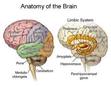
Need to learn more about brain structure and function generally? This page describes the various areas of the brain. You will have to create a log-in to view this page. It is worth the time.
|
Russell Barkley is a leader in the field of ADHD. His explanations of what is going on in the brain are very helpful in learning about the brain differences in ADHD.
|
Many people appear to outgrow the symptoms of ADHD in adulthood. Learn more about the work being done at MIT.
|
|
Watch a video comparison on the development of brains.
|
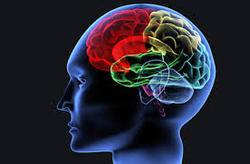
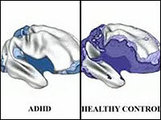
Children with ADHD show relative cortical thinning in regions important for attentional control. Children with a worse outcome have "fixed" thinning of the left medial prefrontal cortex, which may compromise the anterior attentional network and encumber clinical improvement. Right parietal cortex thickness normalization in patients with a better outcome may represent compensatory cortical change.
|
Russell Barkley has a whole page with his lectures. I’d recommend you take a look at Advances in Understanding the Etiologies of ADHD The presentation is really good information but the format (powerpoint with him talking through it) is not my favorite. The first part of this 1.5 hour lecture is his debunking “theories” of the cause of ADHD. If you want to just hear about proven causes, jump to 14 minutes (but the first part is really interesting!).
|
A series of short videos from the DNA Learning Center address the biochemistry of ADHD.

|

“The last bit to mature are these bits in the middle, which are important for the control of action and attention.”
-Dr. Philip Shaw |
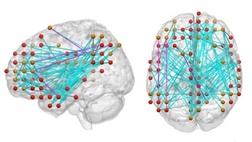
Key brain connections slow to develop in ADHD: an article,
|

Genetics
play a role in ADHD. At the Human
Genome Research Institute, work on genetic components is being studied.
A new study indicates a striking difference in the brain's motivational machinery in people with ADHD symptoms. Each picture links to a different article about the same study.

Washington Post article
|

US News article
|
